Hyper-Personalization: The Must-Have Infrastructure for Guest Experiences
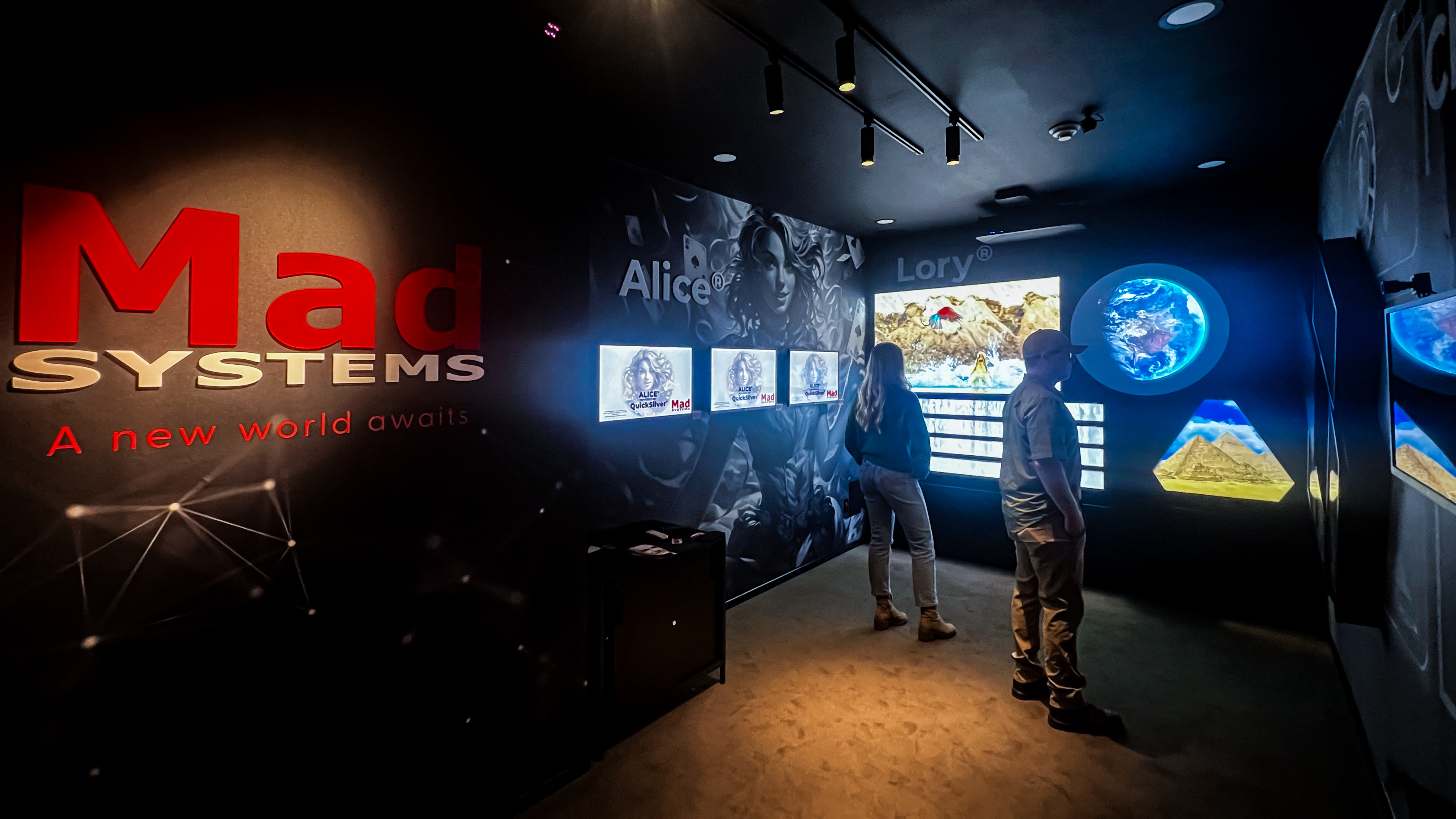
As visitor expectations rapidly evolve, hyper-personalization is quickly shifting from luxury to necessity.
Mad Systems has pioneered a patented AI-driven infrastructure that makes individualized visitor experiences practical, scalable, and seamless—delivering greater loyalty, inclusivity, sustainability, and privacy by design. This article explores how advanced personalization is becoming essential infrastructure across industries from museums and theme parks to smart cities and global mega-events.
Audiences today no longer settle for one‑size‑fits‑all content. From a museum gallery or immersive retail store to a mega-destination like Neom or Expo 2030, visitors now expect experiences that react in real-time to their individual preferences, language, and accessibility needs.
Analysts estimate the global "personalized travel and experiences" market at roughly $169 billion in 2025, rising toward $300 billion by 2030. A simple truth powers that growth. The better an attraction knows each guest, the more engaging and memorable the visit becomes.
Indeed, nearly half of consumers report they are more likely to become repeat customers after a personalized experience. This underscores how personalization drives loyalty.
Headquartered in Orange, California, Mad Systems has spent years engineering an AI-driven infrastructure that turns hyper-personalized visitor engagement into a daily reality.
Mad's AV++® platform unites advanced AV, IT, and artificial intelligence in a patented stack comprising QuickSilver®, TeaParty®, CheshireCat®, LookingGlass® Concierge, Alice®, Alice® OnBoard, Lory®, Caterpillar, LifeSaver, and more.
It delivers friction-free, visitor-specific media in real time across museums, theme parks, corporate lobbies, cruise ships, smart cities, and other demanding environments. Mad Systems has identified 40+ verticals where this technology is a shoo-in.
AI engines recognize each guest, adapt content instantly to match their preferences, and harvest data that powers continuous improvement, enabling venues to treat every visitor personally while operating at enterprise scale.

At the core is our patented platform. This uses an array of recognition technologies to create a secure digital fingerprint for each guest. Cameras and sensors can perform facial recognition, color/object recognition, license plate ID, and other detection methods ranging from RFID and NFC to geo-location to uniquely identify visitors and correlate them with vehicles or companions.
This digital identifier then triggers a cascade of adaptive behaviors that personalize the experience moment-to-moment for that individual:
Exhibits can instantly switch to the visitor's preferred language, tailor the depth of information and vocabulary to an appropriate age level, or enlarge text for low‑vision users. An interactive kiosk might recognize a returning museum member and automatically load content matching their interests.
A theme park can recognize a family as they enter, without the need for manual ticket scans. Ride photos and videos from their previous visit could be accessible. Relevant special offers or itinerary tips can pop up on their phones in real time.
A drive-thru can identify a loyalty customer's vehicle on arrival and dynamically present the menu items that fit their known dietary preferences or past orders. Using a mix of license plate and facial recognition, a digital menu board could greet the driver by name and highlight a favorite order or applicable coupon.
In a smart city district or large expo, planners can dynamically guide foot traffic by sending personalized, context-aware directions or content to visitors' devices. If one path is overcrowded, the system can route an individual via an alternate scenic route in their preferred language.
Importantly, these same building blocks extend across industries. The QuickSilver® ecosystem is designed to be vendor-neutral and modular. The very same platform can power hyper-personalization in retail stores, corporate briefing centers, trade shows, or digital signage networks.
Mad Systems approaches Environmental, Social, and Governance (ESG) goals in tandem with Inclusion, Diversity, Equity, and Accessibility (IDEA). These principles are not afterthoughts but core to the design of our technology platform.

By leveraging digital media delivery and intelligent infrastructure, we help eliminate waste and reduce energy usage. Personalized digital wayfinding and e-guides can replace the need for printed maps, brochures, and signs. When each guest can receive a custom itinerary or exhibit content on their phone or dynamic screens, venues no longer need to produce stacks of paper guides.
Unlike traditional AV systems that were often bulky, power-hungry, and frequently replaced, QuickSilver®'s modern design emphasizes energy efficiency and longevity. It utilises a flexible combination of wired/wireless hardware, simplifying installations and reducing power consumption. QuickSilver® significantly reduces the overall carbon footprint of an AV installation.
Older systems might require rip-and-replace upgrades every few years. In contrast, QuickSilver®'s future-proof, open architecture extends equipment life and adapts to new requirements without major overhauls. This translates to less electronic waste over time and a smaller environmental impact.
On the social front, Mad Systems' hyper-personalization directly furthers IDEA objectives by ensuring every visitor enjoys an inclusive, equitable experience tailored to them. The system adapts content in real-time based on each guest's identity and needs — language, age, mobility, sensory preferences, delivery preferences, and learning style.
A Japanese tourist and an English-speaking child at the same exhibit each hear the story in a form tailored for them. If the system detects that a visitor is very tall, very short, or uses a wheelchair, it can automatically adjust a touchscreen's height for easy use. If it identifies a non-English speaker, it will instantly show subtitles or play a translated narration.

A visit can transform into a hyper-personalized tour for each guest. CheshireCat® recognition works seamlessly with Alice® and Lory® to deliver content tailored to each visitor's profile — from streaming audio descriptions to a guest's hearing aids, to displaying captions or sign language on nearby screens.
In parks, zoos, and themed attractions, the system identifies groups and knows when people belong together. This allows it to deliver age-appropriate stories or ride content to children and richer details to adults, synchronized so everyone shares the moment.
In smart city implementations such as airports and transit hubs, Mad Systems provides inclusive wayfinding and services for diverse populations. A tourist from abroad sees transit information in their native language while a local receives updates in English, all on the same network of displays.
A returning customer who opts in might be recognized when they pull into a drive-through or walk through the door, allowing the digital menu or kiosk to instantly adjust to their preferences. In hotels or cruise ships, guests can be identified upon arrival and services shift to their preferences.
At stadiums, arenas, and live events, personalized inclusivity elevates the spectator experience. Fans receive customized commentaries delivered directly to their personal devices — detailed play-by-play for serious enthusiasts, or simplified explanations for younger attendees. It can even deliver accessible formats such as sign language, captioning, or audio descriptions streamed seamlessly to assistive devices.